Popular Now










Introduction
Yes, Valorant is still worth playing in 2026. The real question isn’t whether the game is good anymore—it’s whether it’s the right game for you.
That sounds like a small distinction, but it’s where most reviews get it wrong.
After spending enough time in Valorant, one thing becomes obvious: players rarely quit because the game runs out of content. They quit because they expected a fast-paced shooter and found a tactical game that demands patience, teamwork, and a willingness to lose before getting better.
If you’re looking for a competitive FPS where every match feels different, Valorant still sits near the top of the genre. If you’re hoping to jump in, ignore strategy, and dominate with raw aim after a few evenings, you’ll probably bounce off it just as quickly as many new players do.
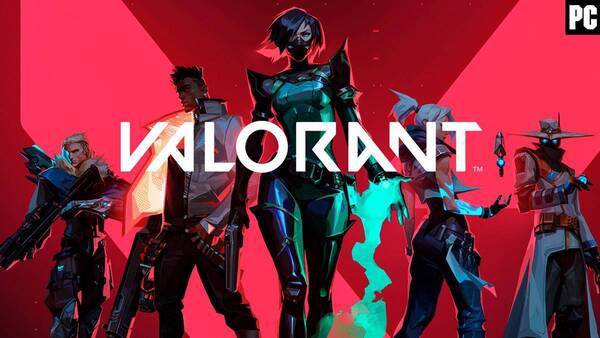
This article isn’t another review that lists graphics, sound design, and esports achievements. Instead, it’s a practical look at what Valorant actually feels like in 2026, who will enjoy it, and who might be happier spending their time somewhere else.
The Short Answer
For most players, yes—Valorant is absolutely worth playing in 2026. It remains one of the few multiplayer shooters where improving your decision-making is just as rewarding as improving your aim.
That doesn’t mean everyone should install it.
The game asks for something many modern shooters don’t: patience. You’ll spend your first few hours learning why you died instead of celebrating huge kill streaks. Some people love that challenge. Others find it exhausting.
A quick way to decide is to think about what you enjoy most in multiplayer games.
| If You Enjoy… | Is Valorant Worth It? | Why |
|---|---|---|
| Competitive shooters | ✅ Definitely | High skill ceiling keeps the game fresh. |
| Learning and improving | ✅ Yes | Every session feels like progress when you build good habits. |
| Casual matches with little pressure | ✅ Mostly | Unrated and Swiftplay are great, though the game still rewards teamwork. |
| Story-driven experiences | ❌ Probably not | Multiplayer competition is the entire focus. |
| Fast arcade action | ⚠️ Maybe | Valorant plays much slower than games like Call of Duty. |
Table 1. Who should consider playing Valorant in 2026.
Note: Your enjoyment depends far more on your preferred playstyle than your FPS experience.
If you’re completely new to the game, it’s worth reading our Ultimate Valorant Guide first. Understanding how rounds, economy, and Agents work makes the first few matches far less intimidating.
Why People Still Play Valorant After Hundreds of Hours
Most online games keep players interested by constantly adding new content.
Valorant certainly does that with new Agents, maps, and seasonal updates, but those aren’t the main reason people stick around.
The real reason is that improvement never stops feeling satisfying.
One match you’re struggling to clear corners properly. A few weeks later you’re predicting enemy rotations before they happen. Eventually you begin winning duels that used to feel impossible—not because your reflexes suddenly became superhuman, but because you’re making smarter decisions before the fight even starts.
That’s something very few competitive games deliver as consistently.
One memory that sticks out happened during a Ranked match on Ascent. An opposing Jett was clearly the best aimer in the lobby, winning almost every opening duel. By the second half, though, our team stopped challenging those early peeks and started forcing her into uncomfortable retakes instead. She finished with an impressive scoreboard, but we won the match comfortably.
It’s a good reminder of what Valorant actually rewards.
Mechanical skill opens opportunities.
Good decisions close out games.
That balance keeps the game interesting even after hundreds of hours. Every new lobby feels familiar enough to understand, yet unpredictable enough that no two matches play out exactly the same way.
Another reason Valorant continues to hold players is that almost every mistake feels fixable. Instead of thinking, “I’m just bad at shooters,” you start noticing specific habits you can improve.
Maybe your crosshair sits too low.
Maybe you reload at the wrong time.
Maybe you’re buying rifles when your entire team should save.
Those are problems with solutions, and solving them is surprisingly addictive.
Of course, that learning curve isn’t for everyone. Some players see every defeat as proof the game is unfair. Others see it as useful feedback for the next match. The second group usually ends up enjoying Valorant for years.
That’s also why experienced players often recommend learning the fundamentals before worrying about flashy mechanics. If you’re planning to give Valorant a real chance, our Valorant Guide for Beginners explains where to focus first instead of trying to learn everything at once.
What Has Changed Since Launch?
If you stopped following Valorant a few years ago, you might assume it hasn’t changed much. The art style is familiar, the spike still needs planting, and headshots still end rounds in an instant.
Under the surface, though, the game is in a much healthier place than it was at launch.
The biggest improvement isn’t a flashy Agent or another map. It’s that Riot has had years to smooth out rough edges. The Agent roster feels more balanced, map pools rotate often enough to stay fresh, and there are enough game modes that not every session has to be a stressful Ranked grind.
That’s important because early Valorant sometimes felt like one long competitive exam. Today, you can jump into Swiftplay after work, play a few rounds with friends, and leave without feeling you’ve wasted an hour.
The Agent roster has also become much more diverse.
Instead of every team looking identical, there are now multiple ways to approach the same objective. One squad might overwhelm a site with utility, another wins through information gathering, while another relies on explosive individual plays. Strategy has become far more flexible than simply copying whatever professional teams are doing.
Ironically, that variety has made the game more beginner-friendly.
Years ago, new players often felt forced to master the “correct” composition before they could enjoy Ranked. Today, understanding your Agent’s role matters far more than blindly following the current meta.
Of course, more Agents also mean more abilities to learn. The first week can feel overwhelming when the screen suddenly fills with smokes, flashes, drones, walls, and projectiles you’ve never seen before.
The good news is that nobody learns all of them at once.
Experienced players recognize utility by sound almost as much as by visuals, and that comes naturally with time. Trying to memorize every lineup on day one is far less useful than simply understanding what each role is supposed to accomplish. That’s exactly why many new players benefit from reading Valorant Agent Roles Explained before worrying about mastering specific characters.
The Biggest Reasons New Players Quit
Most people don’t quit because Valorant is a bad game.
They quit because they misunderstand what kind of game they’re playing.
A surprising number of players arrive from Call of Duty, Apex Legends, or Battlefield expecting aggressive movement and constant gunfights. Instead, they’re punished for sprinting into angles, peeking carelessly, or taking unnecessary duels.
Valorant rewards discipline more than confidence.
That’s a difficult adjustment.
After watching friends start the game over the years, the same pattern appears again and again.
| Reason Players Quit | What’s Actually Happening | Can It Be Fixed? |
|---|---|---|
| “Everyone one-taps me.” | Poor crosshair placement and positioning. | ✅ Yes |
| “Abilities are confusing.” | Too many unfamiliar Agents at once. | ✅ Yes |
| “Teammates are toxic.” | Competitive environments amplify frustration. | ⚠️ Mostly |
| “Matches feel too slow.” | Tactical pacing isn’t for everyone. | ❌ Depends on preference |
| “I never improve.” | Players focus on rank instead of habits. | ✅ Absolutely |
Table 2. Why beginners usually leave Valorant before they experience its best moments.
One mistake stands above everything else.
New players judge themselves by the scoreboard.
Experienced players judge themselves by their decisions.
Those are completely different ways of measuring progress.
Some of the best rounds end with zero kills because someone delayed a push, traded correctly, gathered information, or simply survived long enough to waste the enemy’s utility. None of those moments look impressive on the scoreboard, yet they win games consistently.
That’s something many players only realize after dozens of hours.
The community can also be intimidating, particularly in Ranked. Voice chat isn’t always welcoming, and everyone eventually runs into teammates who seem convinced they’re coaching the world championship.
Fortunately, Valorant has enough casual modes that you don’t have to jump into Ranked immediately. Spending time in Swiftplay, Deathmatch, or Team Deathmatch helps build confidence before the competitive pressure arrives.
Is Valorant Too Hard for Beginners?
Yes.
But probably not for the reason you’re thinking.
Most newcomers assume Valorant is difficult because professional players have incredible aim.
Aim matters.
It just isn’t the biggest obstacle.
The hardest lesson is learning to slow down.
Every instinct developed in faster shooters tells you to keep moving, chase kills, reload after every fight, and clear angles as quickly as possible. Valorant punishes almost every one of those habits.
That’s why experienced FPS players sometimes struggle more than complete beginners. They spend weeks trying to unlearn habits that worked perfectly in other games.
Meanwhile, someone with little FPS experience often develops good fundamentals from the start because they don’t have old habits to break.
There comes a point, usually after twenty or thirty hours, where everything suddenly begins making sense.
You start predicting where defenders might rotate.
You stop wasting utility in the opening seconds.
You realize why professional players spend several seconds holding a single angle instead of constantly searching for fights.
That’s the moment Valorant becomes genuinely addictive.
Instead of feeling random, every round starts feeling like a puzzle.
If that type of learning process sounds enjoyable, the game is absolutely worth your time in 2026. If you’d rather rely on fast reflexes and nonstop action, there are better shooters for that style.
For players who decide to stick with it, the next step isn’t grinding Ranked immediately. Learning how the economy works, when to save, and why experienced teams buy together will improve your win rate much faster than spending another ten hours in aim trainers. That’s covered in much more detail in Valorant Economy Guide.
Who Will Enjoy Valorant the Most?
The short answer is simple: players who enjoy improving at something.
That may sound obvious, but Valorant attracts a very different audience from games where progression comes from unlocking gear, leveling up characters, or collecting rewards. Here, the biggest upgrade is almost always the player.
The satisfaction comes from recognizing mistakes that didn’t make sense a month ago. Suddenly you stop reloading after every duel. You instinctively pre-aim common angles. You hear a smoke deploy and already know which site is about to be attacked.
Those moments feel surprisingly rewarding because they’re earned rather than unlocked.
Players coming from Counter-Strike usually adapt the fastest because the fundamentals are familiar. Good positioning, economy management, disciplined crosshair placement, and patient peeking all transfer naturally.
Players from Apex Legends or Call of Duty often have the opposite experience.
Their mechanics might be excellent, but years of aggressive movement become a liability. Sliding into an angle, wide swinging every fight, or relying on raw reflexes quickly leads to frustrating deaths. Ironically, many complete FPS beginners improve faster because they don’t have old habits to unlearn.
Another group that tends to love Valorant is people who enjoy team coordination.
A perfectly timed flash, an intelligent smoke, or a simple piece of information can win an entire round without anyone making an incredible mechanical play. That’s why watching professional matches becomes much more enjoyable after spending enough time in the game yourself.
If you enjoy discussing strategies after matches more than complaining about teammates, Valorant has remarkable long-term depth.
Who Probably Won’t Enjoy It?
Not every popular game is for everyone, and that’s perfectly fine.
Valorant asks for patience before it rewards you.
The first twenty hours can feel rough. You’ll lose fights before seeing your opponent. You’ll wonder how everyone seems to know exactly where you are. Sometimes an entire round ends after one tiny positioning mistake.
Players looking for instant action often bounce off the game during this stage.
Another common frustration comes from the pace.
A round can spend thirty seconds with almost nothing happening before exploding into five seconds of absolute chaos. Some players love that tension. Others simply want nonstop gunfights.
Neither preference is wrong.
If your favorite FPS moments involve constant movement, respawning immediately after death, and chasing high kill counts, games like Battlefield or Call of Duty may simply fit your personality better.
Valorant is closer to competitive chess than an action movie.
Every decision carries weight because mistakes are expensive.
Communication is another factor.
You can certainly play without voice chat, especially in casual modes, but Ranked becomes much more enjoyable when teammates actually share information. Players who dislike coordinating with strangers may eventually find the competitive experience exhausting.
One more reality that’s rarely mentioned is emotional resilience.
Some evenings you’ll play brilliantly and still lose because another player disconnected or an opponent had the match of their life. If every defeat ruins the rest of your day, tactical shooters can become mentally draining.
Is the Community Better Than It Used to Be?
Compared to launch, yes.
Compared to the average multiplayer game?
It’s about average.
Valorant still has toxic players. Every competitive game does. Anyone claiming otherwise probably hasn’t queued Ranked recently.
The difference is that Riot has gradually added more tools to deal with disruptive behavior. Voice moderation has improved, reporting systems feel more responsive than they did years ago, and obvious harassment is punished more consistently.
That doesn’t eliminate toxic teammates, but it reduces how often the same players keep ruining matches.
Something else has changed over the years.
The community itself has matured.
During Valorant’s early explosion, everyone was learning simultaneously. Every new Agent created confusion, and players argued endlessly about balance. Today, most strategies are well understood, educational content is everywhere, and experienced players are generally better at explaining concepts than simply yelling “Why didn’t you trade me?”
The learning resources available in 2026 are dramatically better than they were at launch.
Whether it’s professional VOD reviews, coaching videos, or community guides, almost every beginner question already has a high-quality answer somewhere.
That means new players improve faster than ever.
Instead of copying random TikTok clips, it’s worth spending a little time understanding the fundamentals first. Reading Ultimate Valorant Guide (2026) gives far more long-term value than memorizing flashy one-way smokes you’ll rarely use correctly.
Does Valorant Respect Your Time?
This question matters more in 2026 than it did a few years ago.
Many players now have jobs, university classes, or families. Grinding six-hour gaming sessions every evening simply isn’t realistic anymore.
Fortunately, Valorant has become much easier to enjoy in shorter sessions.
Swiftplay is probably the biggest reason.
Instead of committing nearly an hour to a full Competitive match, you can play several shorter games, experiment with different Agents, and leave feeling like you actually played rather than spent most of your evening inside one exhausting match.
That flexibility makes Valorant easier to recommend than it once was.
Ranked still demands commitment, but casual modes respect limited free time surprisingly well.
The game also avoids another common trap.
Missing a month doesn’t make your account obsolete.
There are new cosmetics, balance changes, and occasional Agent updates, but you aren’t permanently left behind because someone else farmed better weapons or higher character levels while you were away.
Skill remains the biggest currency.
That’s one reason many long-term players keep coming back even after taking extended breaks.
If you’re wondering whether Valorant is the kind of game you can play for years without feeling forced to log in every day, the answer is largely yes.
Mini Conclusion
Valorant isn’t the perfect shooter.
It’s demanding, occasionally frustrating, and unapologetically competitive.
But for players who enjoy mastering mechanics, learning strategy, and seeing measurable improvement over time, very few multiplayer games offer the same sense of progression.
If you’re still undecided, the next question isn’t whether Valorant is good. It’s whether the competitive experience is worth your time compared to everything else available today. That’s exactly what the final section explores before answering the biggest questions players still ask about the game.
Final Verdict
So, is Valorant worth playing in 2026?
Yes, but probably not for the reason most trailers or highlight videos would have you believe.
People often assume Valorant succeeds because of flashy Agent abilities, expensive skin bundles, or its esports scene. Those things certainly help keep the game relevant, but none of them explain why players keep coming back after hundreds or even thousands of matches.
The real reason is that improvement feels tangible.
There aren’t many multiplayer games where you can clearly recognize how much better you’ve become compared to six months ago. In Valorant, that progress is visible almost every match. You survive situations that used to kill you. You win duels that once felt impossible. You stop blaming luck because you begin understanding why rounds are actually won.
That learning curve is frustrating at first, but incredibly satisfying once everything starts clicking.
Valorant also benefits from something many live-service games struggle to maintain.
It has an identity.
Even after years of updates, new Agents, balance patches, and map rotations, every match still feels unmistakably like Valorant. Riot has adjusted the experience without abandoning the tactical foundation that made players fall in love with it in the first place.
That’s a surprisingly difficult balance to achieve.
Would this be the first shooter recommended to someone who has never touched an FPS?
Probably not.
The opening hours can feel brutal, especially if you’re learning both mouse mechanics and tactical decision-making at the same time. Games with faster respawns are usually more forgiving for complete beginners.
However, if someone genuinely wants to learn competitive shooters rather than casually passing time, Valorant remains one of the strongest starting points available today.
The skills you develop here transfer almost everywhere else.
Should You Download It Today?
The easiest way to answer that question is with a few simple scenarios.
| If this sounds like you… | Recommendation |
|---|---|
| You enjoy learning difficult games and improving over time | Absolutely worth playing |
| You mainly play with friends every weekend | Easy recommendation |
| You love tactical shooters like Counter-Strike | You’ll probably feel at home |
| You mostly want casual fun after work | Try Swiftplay first |
| You dislike teamwork or communication | You may not enjoy Ranked |
| You prefer constant action with instant respawns | Another FPS may suit you better |
Table: Who Should Play Valorant in 2026
Note: Enjoyment depends more on your preferred playstyle than your mechanical skill.
One piece of advice that experienced players rarely mention is this:
Don’t judge Valorant after your first ten matches.
Almost everyone has a terrible first week.
The game deliberately rewards knowledge over instinct. Once common angles become familiar and basic positioning starts making sense, everything feels slower and more manageable. The players who quit early often leave just before reaching that turning point.
If you’re curious enough to push through the awkward beginning, there’s a good chance you’ll understand why the game has stayed relevant for so many years.
Frequently Asked Questions
Is Valorant still worth playing in 2026?
Yes. Valorant remains one of the best tactical FPS games because it continues receiving regular updates while keeping its core competitive gameplay intact. If you enjoy improving your skills over time, it’s still an excellent choice.
Is Valorant free to play?
Yes. You can download and play Valorant for free. Cosmetic skins are optional and don’t provide gameplay advantages.
Is Valorant difficult for beginners?
The first 20 to 30 hours can feel challenging because map knowledge and positioning matter more than raw aim. Beginners improve much faster after learning the core fundamentals, which are covered in the Ultimate Valorant Guide (2026).
Can you play Valorant casually?
Absolutely. Modes like Swiftplay, Deathmatch, and Team Deathmatch let you enjoy the game without committing to full Competitive matches.
Does Valorant have pay-to-win skins?
No. Premium skins only change weapon appearance, animations, and sound effects. Every player has access to the same gameplay mechanics.
How long does a Competitive match usually take?
Most Ranked games last between 30 and 45 minutes, although close matches can run longer.
Is Valorant harder than Counter-Strike?
Mechanically, they’re similar, but Valorant adds Agent abilities that create another strategic layer. Counter-Strike relies almost entirely on gunplay and utility, while Valorant requires learning abilities as well.
Can I enjoy Valorant without voice chat?
Yes, especially in casual modes. However, Competitive becomes much smoother when teammates communicate effectively.
Why do experienced players recommend learning one Agent first?
Mastering a single Agent teaches positioning, utility timing, and team play much faster than constantly switching between the entire roster.
Is Valorant still growing?
While explosive launch numbers have naturally stabilized, the game continues to maintain a large global player base thanks to consistent updates, esports support, and new seasonal content.
What’s the biggest mistake new players make?
Most beginners focus entirely on aim. In reality, positioning, crosshair placement, information gathering, and decision-making usually have a greater impact on winning rounds.
What’s the best way to decide if Valorant is for me?
Play several Swiftplay matches, learn one Agent, and give yourself at least ten to fifteen hours before deciding. That provides a much more accurate impression than judging the game after a single evening.
What to Read Next
If you’ve decided Valorant is worth your time, the next step is learning how to improve efficiently rather than relying on trial and error.
Start with the Ultimate Valorant Guide (2026) to build strong fundamentals, then continue with Best Valorant Agents for Beginners if you’re still choosing a main. Once you’ve settled into Competitive, Valorant Ranked System Explained will help you understand how progression actually works beyond simply winning matches.
Those three guides together answer nearly every question new players ask during their first few months.
Conclusion
Valorant doesn’t try to entertain everyone, and that’s one of its greatest strengths.
It rewards patience instead of impulse, planning instead of panic, and consistency instead of occasional highlight plays. That design naturally pushes some players away while creating an incredibly loyal community that keeps returning year after year.
If you’re looking for a shooter that constantly hands out rewards just for showing up, Valorant probably isn’t the answer.
If you’re looking for one that rewards becoming a better player, few games available in 2026 do it better.